
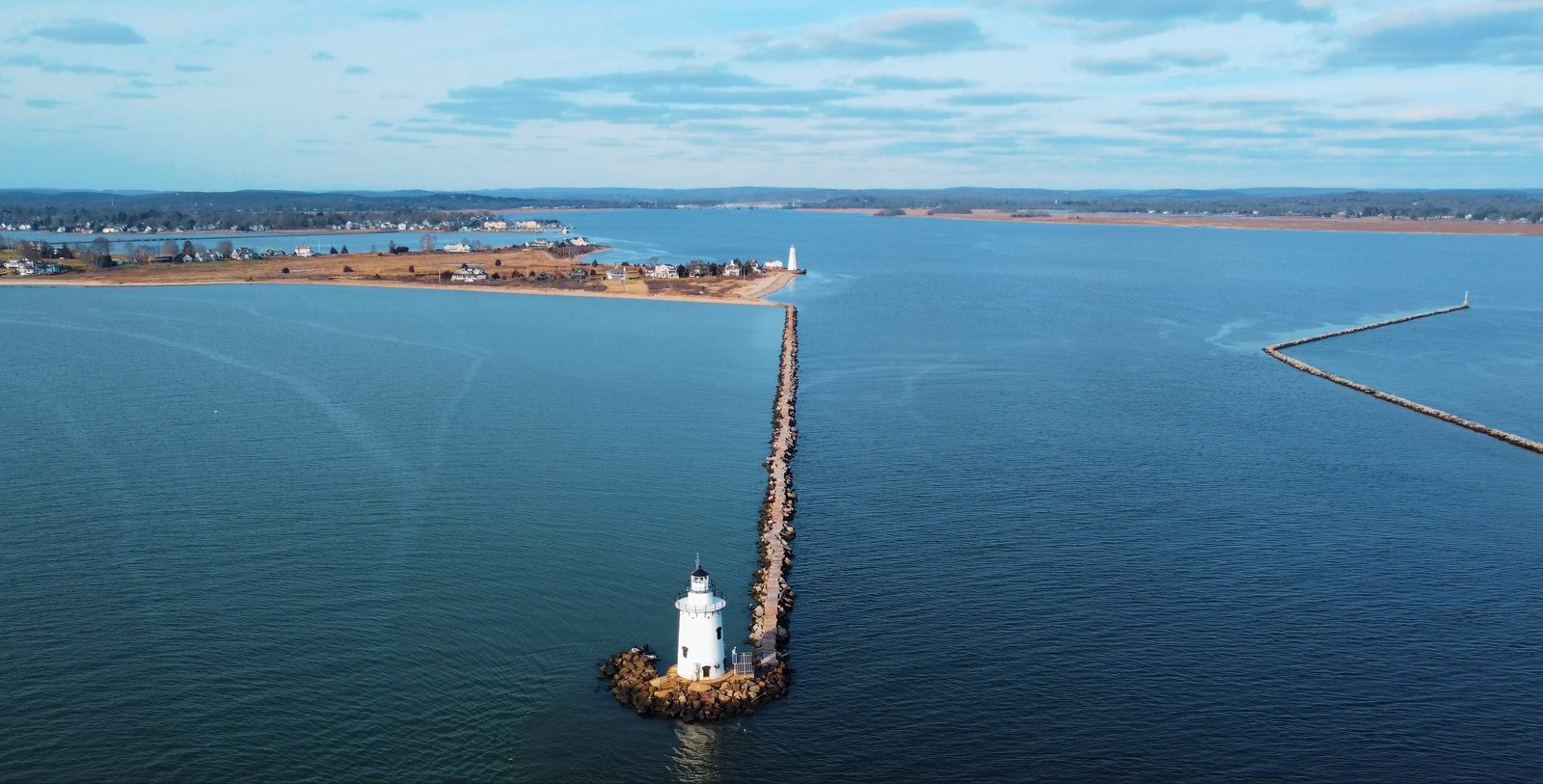
Connecticut’s coastline and rivers, from Long Island Sound to the mouth of the Connecticut River in Old Saybrook, draw thousands of recreational boaters every summer. When an operator is careless or reckless, a day on the water can turn into a trip to the emergency room in seconds.
Ganim Injury Lawyers has represented boating accident victims, including a passenger injured when a boat struck the breakwall at the mouth of the Connecticut River on Labor Day night in 2023. Read that case study here. If you or someone you love was hurt in a boating or jet ski accident, here is what you need to know.
Common causes of recreational boating crashes
Boats have no seatbelts, no brakes and no lane markers. Most serious crashes come down to preventable mistakes, including:
- Inattention and inexperience. Failing to watch for buoys, jetties, breakwalls and other boats.
- Excessive speed. Running too fast, especially at night or in busy channels.
- Alcohol or drugs. Operating a boat while impaired slows reaction time and judgment, and it is illegal in Connecticut.
- Missing safety equipment. No life jackets, no working navigation lights or no way to signal for help.
- Hard-to-see hazards after dark. Breakwalls and jetties that are easy to spot by day can be nearly invisible at night.
What to do after a boating accident
1. Get medical care right away
Blunt trauma, head injuries and time in the water all need prompt treatment. Seeing a doctor quickly also creates a medical record that connects your injuries to the crash.
2. Make sure the accident is reported
Serious boating accidents in Connecticut should be reported to DEEP Environmental Conservation (EnCon) Police, the U.S. Coast Guard or local marine law enforcement.
3. Document what you can
If you are able, take photos of the boat, the water conditions, nearby landmarks and your injuries. Get names and contact information for other passengers and witnesses.
4. Do not give a statement to an insurance company
Boat insurers move quickly to limit what they pay. Do not give a recorded statement or accept a quick offer until you have talked with a lawyer.
Passengers often have strong claims
A passenger has no control over how a boat is operated. Passengers injured by a careless operator can often bring a claim against the operator and the boat owner, even when the operator is a friend or family member. In that situation, the claim is usually paid by insurance, not by the person.
Talk to George before you talk to the insurer
Boating claims involve different insurance and different rules than car accidents. Attorney George Ganim represents injured people across Connecticut, from Old Saybrook and the shoreline to every corner of the state. The consultation is free, there is no fee unless we win, and a real person answers 24/7 at 203-713-8383.
Prior results do not guarantee a similar outcome.